How Long Does It Take for a Tattoo to Heal?
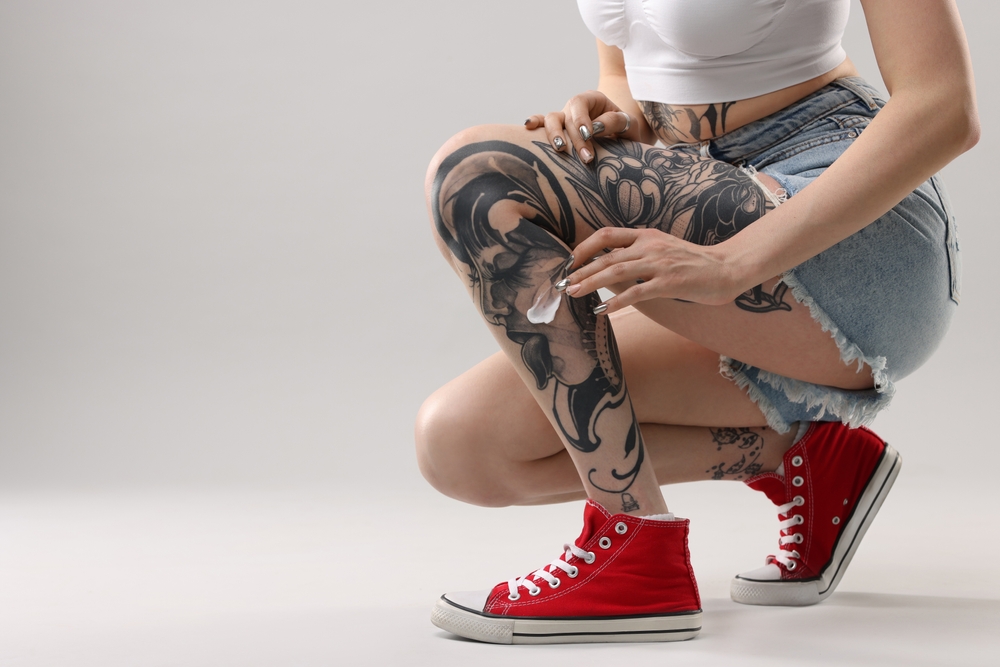
You book the appointment, survive the needle, walk out with fresh ink… and then the real questions start. How long does it take for a tattoo to heal, and when can you finally treat it like normal skin again?
If you are staring at your bandaged tattoo wondering if every tingle and itch is normal, you are not alone. With about 32% of Americans now tattooed, the healing stage is something millions of people are figuring out in real time.
You will learn what the real healing timeline looks like, what you can expect day by day, and what actually slows things down. We will also cover how to care for your ink so it stays bright for years instead of fading fast.
So how long does it take for a tattoo to heal, really?
Here is the honest answer your tattoo artist wishes everyone knew. On the outside, a tattoo usually looks healed in about two to four weeks, as described by Healthline and Medical News Today.
Under the surface though, your skin keeps repairing for three to six months according to guides from Health and Hyper Inkers.
Your tattoo is an open wound for the first few days. It becomes a flaking, itchy patch for the next couple of weeks.
Finally, it enters a phase where the surface looks fine, but the area is still healing underneath. This entire journey is the natural healing process at work.
| Stage | Time frame | What you see and feel |
|---|---|---|
| Stage 1: Open wound | Days 1 to 3 | Red, sore, weepy, slight swelling |
| Stage 2: Peeling and flaking | Days 4 to 14 | Itchy, light scabs, dry, dull looking |
| Stage 3: Surface healing | Weeks 2 to 4 | Smoother skin, mild dryness, colors settle |
| Stage 4: Deep healing | Months 1 to 6 | Skin strength returns, final look forms |
That long healing time might sound intense. But think about other common questions regarding timeframes. How long does paint really take to cure between coats, not just feel dry to the touch?
The pattern is the same for your body art. On the surface, things seem fine fairly fast. However, the deeper, long term change takes real time and patience.
The 4 main tattoo healing stages
Your skin does not heal at random. It goes through clear stages that many pros, like the team at Hustle Butter and Numbed Ink, break down the same way.
Knowing these stages helps you avoid freaking out when your fresh ink looks “wrong” for a bit. It helps you understand exactly how your tattoo heals properly.
Stage 1: Oozing, redness, and “what did I do” mode
The first three days are usually the most intense part of the tattoo healing process. Right after the tattoo is finished, your body treats the area like any injury.
You can expect redness, heat, and maybe a thin shiny fluid on the skin. That fluid is plasma mixed with a little ink, which is completely normal for a fresh tattoo.
This initial healing stage is when infection risk is highest. Your job here is simple care, not stress.
You might feel a burning sensation similar to a bad sunburn. This usually fades within the first 48 hours.
Stage 2: Peeling and flaking like a sunburn
From around day four through the second week, things shift. The weeping slows and the top layer starts to dry.
You will see tiny flakes or thin scabs. It might look like colored dandruff on your clothes.
This is when the peeling skin phase begins. Tattoo aftercare guides all agree on one rule here.
Do not pick. Do not scratch. Let every flake fall off on its own, even if it is annoying.
You will likely want to alleviate itching during this time. Slapping the area gently or applying a light layer of moisturizer can help.
Stage 3: The “it looks healed, but is it?” window
Between week two and week four, your tattoo usually looks smooth and settled. The surface layer of skin closes and the worst itch tends to pass.
This is when many people think they are fully healed and stop caring for their tattoo. But under the surface, the deeper layers are still rebuilding for months as explained by sources like Hyper Inkers.
The tattooed area can still be sensitive, dry, or a bit dull looking. This is totally normal as the lower layers of skin regenerate.
Stage 4: Deep healing and long term settling
From one month through six months, the lower layers of skin keep working. Your immune system clears leftover pigment where it should not stay.
The collagen network in your skin strengthens again during this time. Many artists on forums, like users in r/tattoo threads, say their work is not truly “mature” until the three to five month mark.
This deeper healing is slow, but it decides how crisp or faded that tattoo will look in a year. Patience here makes sure your tattoo heals properly.
What affects how long a tattoo takes to heal
You will hear people say, “My tattoo healed in a week,” and others swear theirs took six. Both can be true for different situations.
The healing times varies depending on several personal factors. The science based guides from Health, Medical News Today, and Saniderm all highlight the same big influences.
Placement on your body
Some spots move a lot. Others stay more protected and heal faster.
Joints like ankles, knees, wrists, and elbows often heal slower because they bend constantly. That movement pulls at new skin.
Areas that rub against clothes, like ribs under bras or waistlines, can also stay irritated longer than upper arms. Wearing tight clothing in these spots is a major issue.
Size and detail of the tattoo
A tiny line tattoo is not going to hit your body like a full sleeve. More skin trauma equals more healing time.
Larger tattoos, filled pieces, and solid black sections ask a lot from your immune system. They can feel sore longer and may flake for more days.
Long tattoos with extensive shading sessions damage more surface area. This does not mean avoid big work, but plan for a slower recovery.
Your health and lifestyle
Good healing comes from the inside as much as from your lotion. Guides from Hustle Butter and MUNBYN both point to basic habits that help.
Better hydration, decent sleep, and steady nutrition all support faster repair. People with compromised immune systems often experience slower healing times.
If you know your body heals slower from cuts or piercings, expect your tattoo to follow that pattern. Smoking and high stress can also make you experience slower healing.
How well you follow aftercare
You have a lot more control over this part than people realize. Artists and medical writers all repeat the same theme here.
Clean, moisturized skin heals faster than dry, dirty, or over treated skin. Good aftercare can help the outer layers close in that two to four week range.
Skipping washes, picking scabs, soaking the area, or over doing products can easily add days or weeks. Improper healing often stems from neglecting these basic steps.
Step by step aftercare to support faster healing
You want your tattoo to look bright and sharp for the long run. Care in the first month sets that path.
Below is a simple aftercare routine that lines up with advice from USA Today, Healthline, and professional studios.
Right after your appointment
Your artist will bandage the tattoo. Leave that covering on for the time they recommend, usually a few hours.
When it is time to remove it, wash your hands first. Then gently wash the tattoo with lukewarm water and a mild, fragrance free soap.
Many shops suggest gentle soaps like Bronner Liquid Baby Soap or simple options like Dial Liquid Hand Soap. These clean the tattooed skin without harsh perfumes.
While you might skip reading a website privacy policy, you should never skip the policy terms and instructions your artist gives you. They know your skin type and the ink they used better than anyone.
Days 1 to 3: Gentle cleaning and light moisture
Wash your tattoo two to three times a day with that same kind of mild soap. Use your fingertips to keep the area clean, not a rough cloth.
Pat it dry with a clean paper towel or let it air dry. Then apply a very thin layer of a tattoo friendly ointment or lotion if your artist suggested one.
Thin really matters here, because a heavy coat can suffocate the skin and slow healing. You want to keep the area hydrated, not greasy.
During these first days, keep the area clean and avoid letting pets touch it. Their dander and fur can introduce bacteria to the healing tattoo.
Days 4 to 14: Manage the peeling and itching
This is the itchy part, and it can drive you a little wild. Stay consistent with gentle washing.
Switch to a light, fragrance free moisturizer as scabs form and flake away. If your skin looks glassy or very thick with scabs, ease up on how much you are using.
If the area dry feels too tight, apply a small amount of lotion. Still avoid soaking, swimming, or steaming the tattoo in baths, pools, hot tubs, or saunas.
Weeks 3 to 4: Protect and support
By now the surface often looks calm, but keep caring for it. You can usually scale back washing to once or twice a day.
This is a great time to start a daily sun protection habit over the area. Most tattoo pros recommend blocking direct sunlight for at least four weeks.
Even short sun exposure can dull a tattoo while the skin is still fragile. Using sunscreen is critical to keep the tattoo vibrant.
What to avoid if you want your tattoo to heal well
Some choices drag the process out or put your new ink at risk. These are the big ones most studios warn about.
Direct sun and tanning
Fresh tattoo plus strong sun equals damage fast. The skin is thinner and more sensitive while healing.
Writers from Health and Medical News Today both note that UV exposure can break down ink and slow repair. Sun protection is mandatory if you go outside.
Cover the tattoo with loose clothing outdoors in those first weeks. Once fully healed, use a strong SPF for life.
Soaking and swimming
Showers are fine. Long baths are not. Think of it this way: your tattoo is like a fresh scab.
Sitting in a tub, hot tub, pool, or open water softens those new layers. Water exposure also invites germs into the wound.
Every medical based guide on tattoos warns about this same risk. Most studios suggest waiting until the top looks smooth before swimming again.
Tight clothing and friction
Wearing tight clothing over a fresh tattoo is a recipe for disaster. The fabric can rub off scabs prematurely.
You should wear loose-fitting clothes that allow the skin to breathe. If the fabric sticks to your tattoo, do not rip it off.
Wet the cloth with lukewarm water to loosen it gently. This prevents you from pulling out ink and damaging the surface healing.
Picking, scratching, or shaving
This might be the hardest part for some people. The flakes and scabs look ready to come off.
But when you peel or scratch them, you do not just take dry skin. You can pull ink from where it is setting, leaving light spots or scars.
Also avoid shaving or waxing the area until the skin feels and looks like normal skin again. This usually takes at least a few weeks.
Common questions about the healing process
Healing can be confusing, and many people have similar worries. Here are answers to some common questions.
Can I exercise with a new tattoo?
Sweat can irritate the tattoo, and gym equipment is full of bacteria. It is best to avoid heavy workouts for at least a few days.
What if my tattoo sticks to the bed sheets?
This is common. If you wake up stuck, wet the sheet to release the dried plasma. Never rip it off dry.
Is the privacy policy of the shop important?
You might not care about the website’s legal text, but check the shop’s policy terms on touch-ups. Most artists offer a free touch-up within a few months if you follow tattoo care instructions.
Signs your tattoo is not healing normally
Normal healing is messy. So how do you tell “annoying but fine” from a problem you should take seriously?
Resources from Medical News Today and Healthline list red flags worth paying attention to.
- Redness spreading out from the tattoo after the first few days.
- Increasing pain instead of slow improvement.
- Thick yellow or green discharge or a strong smell.
- Fever or feeling sick overall.
- Hard, raised, or very bumpy tissue forming around the area.
If you notice any of those, seek medical attention quickly. An allergic reaction to ink is rare but possible.
Then loop your artist in so they know what is going on. Most healing issues can be fixed if they are caught early.
Waiting is what usually causes long term scarring or major fading. Trust your instincts if something feels wrong.
How to know your tattoo is fully healed
This is where personal experience matters. Different people set different markers for “done.”
Many artists and clients, like the voices in popular online threads, say a tattoo is functionally healed once the surface is smooth. There should be no flaking, itching, or redness.
That point often comes between two and four weeks for smaller pieces, which lines up with guides from Kings Avenue Tattoo and USA Today. The time tattoo takes to settle varies depending on the person.
But deep down, your skin is still working past that point. It often takes three to six months to fully recover.
Once the skin texture matches the surrounding area and there is no shine, you are there. This means your tattoo heals properly and is ready for the long haul.
Conclusion
So how long does it take for a tattoo to heal in real life, not just in perfect charts? On the surface you are usually looking at two to four weeks.
Underneath that, your skin is rebuilding for three to six months as the ink settles and the structure strengthens again. Your body, your placement, size, and aftercare choices decide where you land on that range.
If you treat those first weeks with the same patience you would give anything that matters, you will set your tattoo up to age better. This ensures it stays brighter and