Is Aquaphor Good for Tattoos?
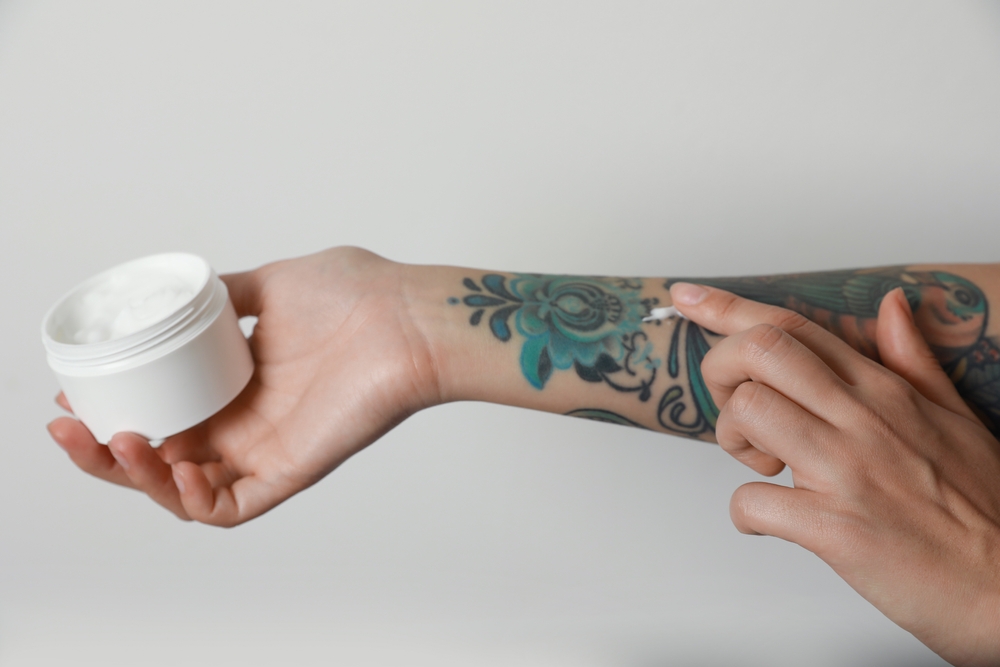
You finally sat in the chair, survived the needle, and walked out with fresh ink you love. Now your search history looks something like this: is Aquaphor good for tattoos, how much Aquaphor is too much, and why does my tattoo look so shiny right now.
You are not alone. Every new tattoo comes with a flood of aftercare advice. Some artists swear by Aquaphor. Others say avoid it. So you are left wondering the big question again in your browser bar: is Aquaphor good for tattoos, or could it actually hurt the healing and the color.
Is Aquaphor Good For Tattoos Or Overhyped?
The short answer is this. Yes, Aquaphor can help a fresh tattoo heal if you use it correctly and your skin likes it.
But there are real downsides if you slather it on, keep your tattoo soggy, or have very reactive skin. This ointment is thick and acts as a heavy barrier.
So the best approach is to treat Aquaphor as one possible tool, not a magic cure all. It works well for some, but others find it causes issues like clogged pores or irritation. Listening to your body is crucial.
Proper tattoo care is about finding what works for your specific skin type. Whether you choose this product or another, the goal is consistent, gentle care.
What Aquaphor Actually Is And Why Artists Recommend It
Aquaphor is a healing ointment that sits in the middle ground between heavy petroleum jelly and light lotion. It is a staple in many households for dry skin issues.
Its main ingredient is petrolatum, a highly refined form of petroleum jelly that acts like a shield on the skin and cuts down water loss through the top layer. You can read more about petrolatum on Safe Cosmetics at this page on petroleum jelly.
Aquaphor also includes ingredients like mineral oil, ceresin, lanolin alcohol, panthenol and glycerin, plus bisabolol from chamomile. These ingredients work together to soothe the area.
Why so many people use Aquaphor on fresh ink
There are a few big reasons Aquaphor ends up in almost every tattoo aftercare chat.
- It keeps skin from drying out and cracking, which helps control heavy scabbing.
- It creates a semi occlusive barrier over the fresh tattoo that slows down moisture loss and helps block dirt.
- It is cheap, easy to find at any drugstore and has been around for years.
- The formula is designed to protect skin from outside irritants.
Moist wound care is not just a tattoo trend either. Research on minor cuts and surgical wounds shows that many wounds heal faster in a moist setting than in dry air, because drying can interrupt the natural repair process. You can see that explained in this review from the National Library of Medicine at their article on moist versus dry wound environments.
By keeping the area pliable, you reduce the risk of the tattoo starts scabbing too heavily. Heavy scabs can pull ink out when they fall off.
The role of bisabolol and other “extras”
Bisabolol is a plant based ingredient from the chamomile plant that appears in Aquaphor and in some modern tattoo balms.
Studies on bisabolol suggest it has soothing, microbe fighting and anti-inflammatory properties actions on skin. One paper that looked at bisabolol and a related ingredient is published in the Journal of Essential Oil Research at this article on its fungicidal and bactericidal properties.
Panthenol and glycerin are also there to support moisture balance. You can see chemical data on panthenol and glycerol through PubChem at this entry for panthenol and this one for glycerol.
These added ingredients help explain why artists recommend Aquaphor over plain petroleum jelly. It offers a bit more therapeutic value for the healing skin.
So Is Aquaphor Good For Tattoos In Real Life?
This is where things get a bit more honest and a bit less marketing based.
On one hand, Aquaphor lines up pretty well with what good tattoo aftercare needs. Protection, moisture, and simple ingredients without added scent.
On the other hand, there are real concerns you should know before you scoop a huge chunk of ointment and glaze your new tattoo like a doughnut. The tattooed area needs to breathe to heal properly.
The pros of Aquaphor on a new tattoo
Most of the “yes, it helps” points fall into three buckets.
- Hydration. It reduces dryness and the kind of thick scabbing that can crack and pull at the ink.
- Barrier support. Petrolatum can act as a shield against friction from clothes and some germs at the surface.
- Comfort. Many people say Aquaphor cuts down the itchy phase and that tight feeling in the skin.
Dermatology research on wound care often compares petroleum based ointments with other creams after laser or surgical procedures. Some split face studies, like the trials listed at this PubMed study comparing a plant based ointment and petroleum ointment and this one looking at healing with two different topical products, show that petrolatum based options do a solid job for minor wounds.
Another paper on small wounds after skin procedures at this PubMed review on minor wound treatment highlights that these kinds of ointments are widely used and generally well tolerated. This suggests that the product does help skin heal efficiently.
The protective barrier keeps airborne bacteria away from the open wound. This is critical in the first 24 to 48 hours.
The cons that tattoo artists keep warning about
This is the part of the story many product labels will not tell you.
Aquaphor is thick. If you spread a heavy coat on top of a fresh tattoo, it can trap sweat, heat, and bacteria close to the open skin.
Aquaphor traps moisture effectively, but sometimes it works too well. If the skin cannot breathe, the healing processes may slow down or complicate.
Some artists and clients worry that heavy layers of petrolatum could pull pigment as the tattoo leaks plasma in the early days. That claim has not been strongly proven in lab studies yet, but many experienced tattooists have seen enough “greased” tattoos to get picky.
Petrolatum also comes with some long running questions around purity. While cosmetic grade petrolatum is refined, groups like Safe Cosmetics talk through how petrolatum is processed and what to know at their detailed overview on petrolatum in skin care.
There is another big risk that is easier to prove. Over moisturizing. A tattoo needs to breathe a bit, not soak. This is why you must apply lotion or ointment sparingly.
How Moisture Helps Healing But Can Still Backfire
A fresh tattoo is basically hundreds of tiny skin injuries. Your body responds with inflammation, repair cells, and a fresh layer of skin.
Research has shown that skin can repair faster and with smoother new tissue when it is kept slightly moist rather than dried out. You can read about that concept in more detail in the National Library of Medicine paper at this article on moist, wet and dry wound settings.
But “moist” is not the same as “wet and smothered.” That is the line many people cross with heavy ointments like Aquaphor ointment.
Signs you might be overdoing it
You can watch your own tattoo and skin to see if your aftercare is working for or against you.
- Your tattoo feels sticky for hours after you apply Aquaphor instead of soaking in.
- The skin stays wrinkly or pale, like you stayed in a bath too long.
- You see more redness, heat, or unusual oozing instead of steady progress.
- Small pimples begin to form around the inked area.
If any of this shows up, dial back the amount or frequency. The goal is to help the skin heal, not drown it.
If you also see symptoms that suggest infection or a stronger reaction, check guides on skin warning signs, such as this Greatist piece on signs your skin needs medical attention, and talk with a doctor or your artist. Medical attention is vital if you suspect a serious infection.
When Aquaphor traps heat, it can create an incubator for bacteria. This is why a thin layer is the only safe way to use it.
How To Use Aquaphor On A Tattoo The Right Way
Maybe your artist already recommended Aquaphor. Maybe you have a tub sitting at home.
Here is how to use it without smothering your tattoo. Proper application helps the tattoo heal tattoo faster.
Step one: follow your artist, always
Your tattooer knows their ink, their style, and usually has tested a routine across hundreds of healed pieces. Listen to your tattoo artist above all internet advice.
Big clinics and university health sites back this up. The University of Michigan, for example, shares tattoo care tips that start with following the artist’s own guidance, which you can see at this University Health Service page on body art.
Ohio State University Wexner Medical Center also walks through bandage removal, gentle washing, and moisturizers at their article on caring for a new tattoo.
Step two: clean, then a tiny amount
Only apply Aquaphor after the first bandage is off and bleeding or heavy oozing has slowed. Never put ointment on a dirty tattoo.
Wash your hands with soap and water. Then gently clean your tattoo with a mild, unscented soap and lukewarm water. Avoid hot water as it hurts the sensitive skin.
Pat dry with a clean paper towel. Do not rub the area, and do not use a cloth towel that might hold bacteria. Allow the skin to air dry for a few minutes.
Next, take the smallest pea sized amount of Aquaphor you can and rub it between clean fingers. Then glide that across your tattoo so there is the thinnest sheen.
You should see a slight glow on the skin, not a glossy, thick coat. If it feels greasy, you used too much. Dab the excess with a clean paper towel.
Step three: keep it light and short term
Most artists that still use Aquaphor for tattoos limit it to the first few days. This is usually the phase where the tattoo is an open wound.
Think two to three times a day in a very thin layer during the oozing and early peel stage, unless your artist gave a different plan. Do not reapply if the previous layer is still there.
After that, you can usually move to a fragrance free, dye free lotion or a gentle tattoo balm made for daily wear. Many people like lighter creams because they are less likely to clog or feel heavy over healed skin.
Once the skin closes up, the heavy protection of Aquaphor is less necessary. The skin’s natural barrier is starting to work again.
Concerns About Petrolatum And Tattoo Ink
You might have read online that petroleum based products can “pull ink” or fade tattoos.
The science here is not as simple as a clear yes or no, but the concern did not appear out of thin air.
Petrolatum creates a strong barrier, which is part of its job. But during the first day or two your tattoo is pushing out extra ink, blood, and plasma.
Some artists worry that thick ointment holds all of that against the skin and can move pigment that would have otherwise stayed in place. This could potentially lead to ink loss.
So far, published studies tend to look at surgical or laser wounds rather than tattoo pigment levels. One analysis on dermatologic wound care is at this article on treatment of minor wounds. It does not directly study tattoo ink but shows how petrolatum based options perform on skin overall.
Because of this gray zone, you will find artists split into two camps. One group says a thin layer is fine and time tested. Another group prefers plant based, non petrolatum balms from day one.
Are There Better Alternatives Than Aquaphor For Tattoos
This is where is Aquaphor good for tattoos turns into a bigger question. What is best for your skin type and style of tattoo.
Some options people and artists reach for include:
- Simple fragrance free lotions once the tattoo stops oozing.
- A and D style ointments that use petrolatum but in different blends. The drug facts on some versions are listed at DailyMed, such as this A and D product entry.
- Specialized tattoo balms that focus on gentle oils, butters, and soothing extras like bisabolol.
- Products containing organic ingredients like coconut oil or shea butter.
Some aftercare guides, like this one from Jordan Lentz Tattoos, still mention Aquaphor or A and D in a thin layer as part of the early routine. You can see their exact steps at the link above.
Plant based tattoo balms bring another route. Many are made with ingredients like shea butter, natural oils, and plant extracts including bisabolol for calming support.
The same research mentioned earlier on bisabolol’s germ fighting power, seen again at this essential oil research paper, is one reason this ingredient shows up more often. It helps soothe skin without the heavy grease factor.
Protecting your ink from the elements
Regardless of the lotion you choose, you must protect your skin from the sun. Direct sunlight is the enemy of fresh tattoos.
UV rays can blister fresh ink and cause the colors to fade prematurely. You should avoid sun exposure completely while the tattoo heals.
Once healed, applying SPF sunscreen is essential for longevity. If you cannot avoid the sun, cover the area with loose-fitting clothing.
Tight clothes can rub against the tattoo and cause irritation. The outer layer of skin needs to flake off naturally without friction.
What Skin Health And Mental Health Sites Say
If you like to cross check health topics with trusted sites, you can look through general wellness resources while you decide how you feel about petrolatum and heavy ointments.
Large health hubs such as Healthline, Medical News Today, and Greatist all share skin and wound content that lines up with the idea of gentle cleansing and controlled moisture.
If the stress of healing, pain, or body image is weighing on you, mental health resources like Psych Central can help you step back and calm the anxiety part of aftercare. Sometimes we overthink the healing process.
Communities on sites like Bezzy that focus on long term conditions can also offer ideas if you have skin issues, immune questions, or chronic health problems and want to see how others handle healing and new tattoos.
Buying aftercare products online
If you decide to buy specialized balms or lotions online, check the store policies. Many reputable tattoo supply shops offer free shipping on bulk orders.
Always review the return policy and privacy policy to ensure your data is safe. When you find a product you like, you might even view cart and stock up for future sessions.
Look for sites that state all rights reserved at the bottom, indicating they are legitimate businesses. This ensures you are getting authentic aftercare products.
Key Tips So Your Tattoo Heals Clean And Stays Bright
You care most about one thing. You want your tattoo to heal well and stay bold.
Here is a quick recap of practical points that matter more than any brand name.
- Always follow the written or verbal aftercare instructions your own artist gives you.
- Wash your hands before touching your tattoo. Keep the first wash simple, gentle, and with lukewarm water.
- If you use Aquaphor, make the layer so thin it is barely there. Too much is worse than none.
- Watch for rising redness, heat, spreading rash, pus, or fever and read guides like this one on when skin needs medical help, then call a pro if you are unsure.
- Once healed, keep your tattoo moisturized with a gentle lotion and protected from sun with a solid sunscreen.
- Wear loose-fitting clothing to prevent fabric from sticking to the ointment.
- Do not pick at scabs. Let the skin cells regenerate on their own schedule.
After your tattoo is fully healed, a dedicated tattoo balm can be a nice upgrade for daily care. Use our tattoo balm to nourish and moisturize your tattoo after it fully heals.
Lip care products often share similar ingredients to tattoo balms, like lanolin and mineral oil. However, stick to products specifically designed for body art when possible.
Conclusion
So, is Aquaphor good for tattoos. The honest answer is that Aquaphor can be helpful, but only if it fits your artist’s plan, your skin, and your own comfort level with petrolatum based ointments.
If you do choose it, treat it like a short term, thin layer support for the first stage of healing, not something to cake on for weeks. It acts as a protective barrier during the critical early days.
If you prefer to skip it, there are plenty of other options backed by sound wound care ideas, including lighter lotions and carefully made tattoo balms. Whether you use Aquaphor or a vegan alternative, the method matters most.
Listen to your artist, watch your skin, and you will give your new ink the best shot at healing bright and strong. With the right aftercare tips, your tattoo will look great for years to come.